
heat reflective glass
Understanding Measurements at the 4% Foot Level with a Ruler The measurement of physical objects and distances is fundamental in a variety of fields, from engineering and architecture to crafting and everyday tasks. Among the many tools available for measurement, a ruler is one of the most common and versatile. Understanding how to use a ruler effectively can significantly enhance precision and accuracy in any project. One specific interest in measurements is the concept of the 4% foot level, which we will explore in this article. Understanding Measurements at the 4% Foot Level with a Ruler To measure this accurately using a ruler, one must establish a baseline. This involves placing the ruler horizontally on a level surface. Starting from the zero mark, you can then measure out to 4 inches for every 100 inches along the baseline to visualize the gradient. This method allows builders to create ramps or pathways that comply with safety regulations and ensure easy access. 4 foot level with ruler Moreover, understanding and applying the 4% foot level is crucial in designing roads or sidewalks, where insufficient gradient can lead to water pooling and increased wear on materials. For instance, in crafting a wooden ramp, precise measurements help ensure that the slope meets the 4% requirement, making it safe for all users, including those with mobility challenges. In practice, one measures the slope of a ramp with a ruler by first determining the height (rise) of the ramp and the distance traveled along the ground (run). For a 4% slope, the relationship can be expressed simply if the ramp rises 4 inches, it should extend 100 inches horizontally. This easy calculation makes it feasible for anyone from DIY enthusiasts to professional builders to ensure their projects are not only functional but also adhere to safety standards. In conclusion, the 4% foot level is a critical concept in measurement that can be easily navigated with a simple ruler. By understanding how to make accurate measurements and apply them to various projects, individuals can enhance their skills and ensure that their creations are both effective and safe. Whether you're tiling a floor, building a ramp, or landscaping a garden, precision is key to success.
about
heat reflective glass
Understanding Non-Return Gate Valves Functionality, Applications, and Advantages Non-return gate valves, also known as check valves, play a crucial role in various piping systems by ensuring the unidirectional flow of fluids. Unlike traditional gate valves, which allow for flow in both directions when opened, non-return gate valves are specifically designed to prevent backflow, thereby protecting equipment and maintaining system integrity. This article delves into the functionality, applications, and advantages of non-return gate valves in modern engineering. Functionality of Non-Return Gate Valves The primary function of a non-return gate valve is to prevent reverse flow in a pipeline. It accomplishes this through a simple yet effective mechanism that relies on the pressure differential across the valve. When the fluid flows in the designated forward direction, it lifts the valve disc or gate, allowing fluid to pass through. However, if there is a tendency for the fluid to flow back, the pressure difference causes the disc to close, sealing the valve and preventing any backward flow. A typical non-return gate valve consists of several key components, including the body, seat, disc, and spring (in some designs). The material used for the valve is usually of high quality, often made from metals like stainless steel, brass, or even plastic, depending on the application's requirements and the fluid type being handled. The design can vary, ranging from flanged to threaded connections, making it versatile for installation across various piping systems. Applications of Non-Return Gate Valves Non-return gate valves are widely utilized across many industries due to their reliability and effectiveness in preventing backflow. Some common applications include 1. Water Supply Systems In municipal water distribution networks, non-return gate valves are essential for preventing contaminated water from flowing back into clean water supplies. Their usage ensures compliance with safety regulations and protects public health. 2. Wastewater Treatment In sewage systems, these valves prevent the backflow of sewage into treatment plants or residential areas, protecting infrastructure and minimizing health risks. 3. Oil and Gas Industry Non-return gate valves are critical in oil pipelines to prevent backflow during pressure changes, ensuring smooth operational flow and protecting pumps and compressors from damage . non return gate valve 4. Chemical Processing In chemical plants, backflow prevention is crucial to avoid mixing of different substances, which can lead to dangerous reactions. Non-return gate valves protect against system failures by ensuring the controlled flow of reactants. 5. HVAC Systems These valves are employed in heating and cooling systems to maintain proper flow direction, ensuring efficient operation and preventing damage to system components. Advantages of Non-Return Gate Valves The benefits offered by non-return gate valves are significant and contribute to their widespread use in industries. Some of the key advantages include - Prevention of Backflow The primary advantage is their ability to prevent reverse flow, which is critical in maintaining the integrity of piping systems and preventing contamination. - Reduced Maintenance Costs Since they are designed for a specific function and typically have fewer moving parts, non-return gate valves are often more durable and require less maintenance compared to other valve types. - Versatility With various designs available, these valves can be adapted to meet specific operational requirements in different environments, whether it is high pressure, high temperature, or corrosive substances. - Improved Safety In many industrial applications, the failure to prevent backflow can lead to severe safety hazards. Non-return gate valves play a vital role in enhancing operational safety. Conclusion In summary, non-return gate valves are integral components in various piping systems that ensure the efficient and safe flow of fluids. Their primary function of preventing backflow helps protect infrastructure, maintain product quality, and enhance operational efficiency, making them indispensable in numerous industries. As technology advances, the design and material used in non-return gate valves continue to evolve, further improving their functionality and application range. Understanding their operation and benefits is essential for engineers and operators involved in fluid handling systems, allowing for the selection of the right valve for specific needs.
-

High quality industrial productsagement

High quality industrial products
View Details -

Meet the diverse needs of customers

Meet the diverse needs of customers
View Details -

Strict quality control

Strict quality control
View Details -

Top raw materials

Top raw materials
View Details -

Trusted supplier

Trusted supplier
View Details
Our application

news and information
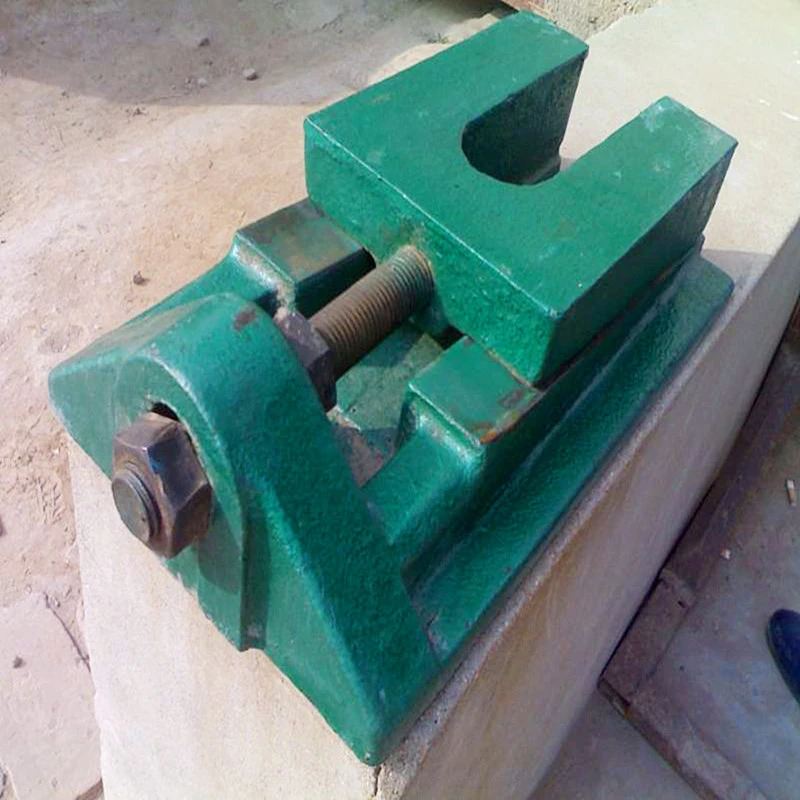
Y Type Strainer Applications in Industrial Water Filtration
Industrial water filtration is a critical process for maintaining operational efficiency, equipment
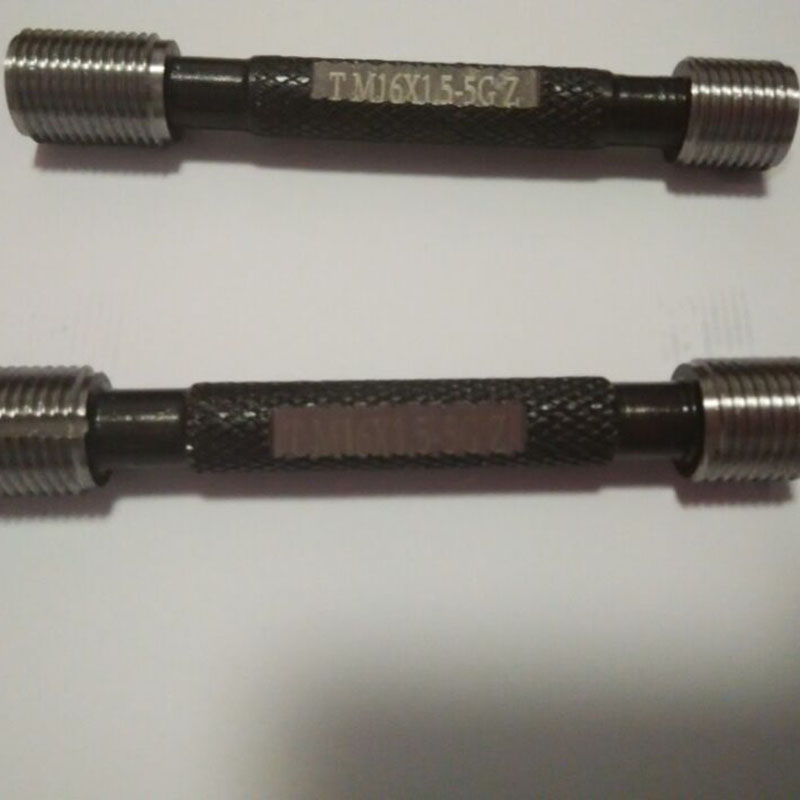
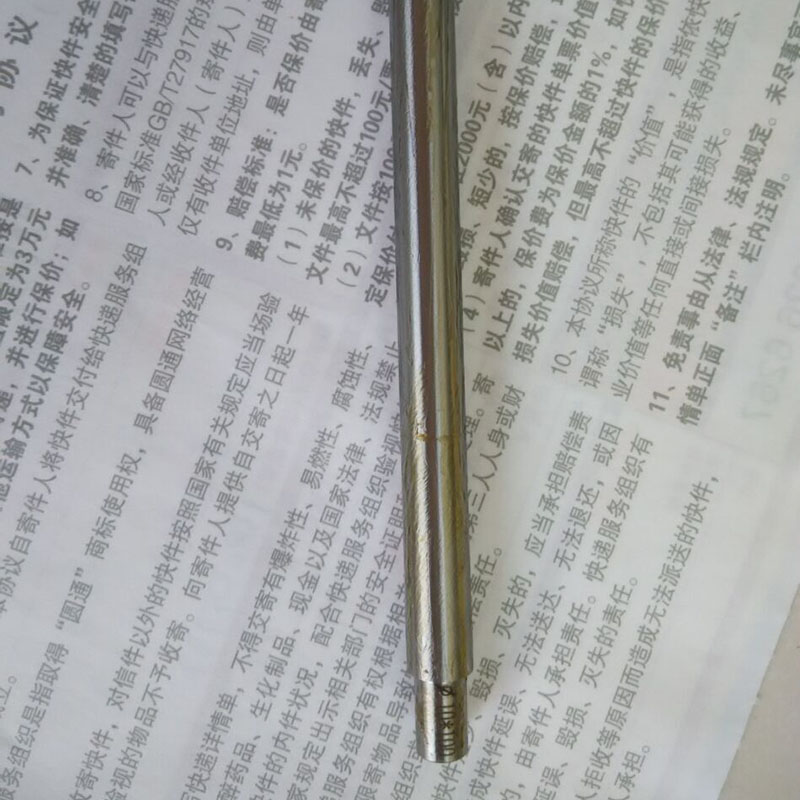
using a thread gauge
Using a Thread Gauge A Comprehensive Guide Threads are an essential component in countless mechanica

water check valve
Understanding Water Check Valves Function, Types, and Importance Water check valves play a crucial r
 English